Hail and Storm Roof Leak Damage in Weatherford, TX
North Texas hail cracks shingles and opens the roof deck, and the next wind-driven rain finds the gap. The drying team handles the wet attic, insulation and ceilings below.
(888) 527-9134Get the storm leak dried out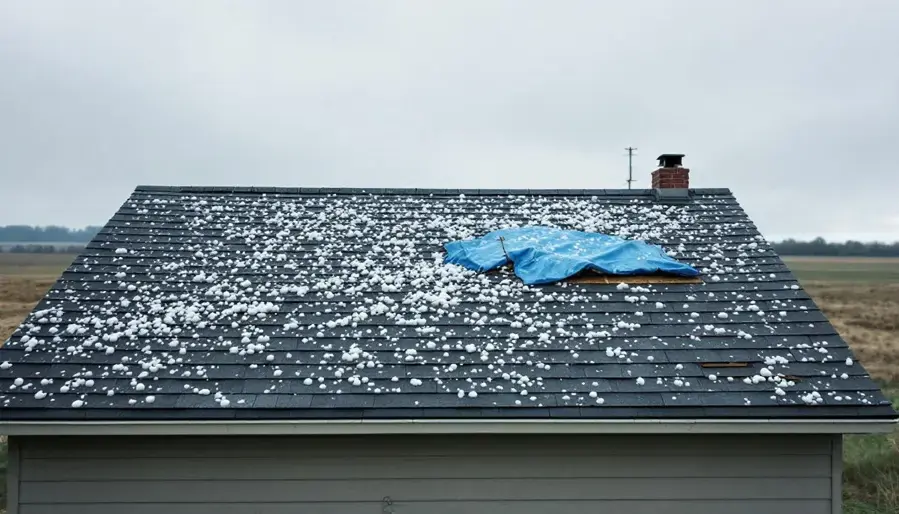
What to do first about hail and storm roof leak damage in Weatherford
- Catch the drips
Set buckets and move furniture and electronics out from under the leak.
- Relieve a sagging ceiling
If a bulge holds water, keep clear; a small puncture into a bucket prevents a collapse.
- Photograph roof and rooms
Date-stamped photos of hail, shingles and interior stains help the claim.
- Arrange a tarp
A roofer or the response team tarps the opening before the next storm.
What does hail and storm roof leak damage cost in Weatherford, TX?
In Weatherford, TX, water damage from a hail or storm roof leak typically runs $1,000 to $6,500 for the interior work, driven by how much attic insulation got wet, how many ceilings are affected and whether drywall has to come down.
One ceiling, small stain
- Ceiling and wall drying
- Wet insulation spot-removed
Several rooms below the attic
- Wet insulation bagged out
- Sagging drywall removed
Major storm opening
- Tarping plus wide removal
- Attic framing dried
Ranges move with the water category, the square footage, the material class and how fast drying started. Run the numbers in the water damage cost calculator for a planning range.
How hail and storm roof leak damage is handled in Weatherford
- 1
Map the moisture
The tech who does the walkthrough uses thermal imaging and pinless meters to map every wet wall, floor and cavity before any equipment goes down.
- 2
Extract the water
The extraction crew pulls standing water with truck-mounted extraction, so it leaves the building instead of moving into the next room.
- 3
Set the drying plan
Air movers go in at each room's evaporation load, with LGR dehumidifiers pulling the moisture back out of the air.
- 4
Verify dry
Most crews log readings daily and pull equipment only when the wet material sits within 2 to 4 points of a dry reference.
Why hail leaks show up weeks later
North Texas is one of the most hail-prone regions in the country, and most large-hail days around Weatherford fall in the spring storm season. A hailstorm can bruise shingles, crack flashing and dent vents without an obvious hole. The leak often starts with the next wind-driven rain, when water runs behind a damaged shingle, along the roof deck and into the attic.
By the time a stain shows on a ceiling in Weatherford, the attic insulation above it has usually been soaking up water for a while. The National Weather Service Fort Worth office posts storm reports that help date a hail event for a claim.
What the drying team checks in the attic and ceilings
- Insulation. Wet blown-in insulation compacts and holds water against the drywall. It is bagged out from the wet zone and replaced after drying.
- Roof deck and framing. Decking, rafters and ceiling joists are read with pinless meters and dried with air movers and dehumidifiers.
- Ceiling drywall. A stained but firm ceiling can often be dried in place. A sagging or soft ceiling comes down because it can fall.
- Walls below. Water follows top plates and runs down wall cavities, so the crew reads the walls under the stain too.
Roof repair and interior drying are separate trades. A roofer replaces the shingles; the restoration crew dries the structure and documents it. Both belong in the same claim file.
Tarping and extraction after a storm
When a storm leaves an open roof, a tarp goes on first so the next rain does not restart the loss. Water on floors is extracted right away, and carpet under a steady drip is checked for pad saturation. If water reached a light fixture or a ceiling fan box, the power to that circuit stays off until an electrician clears it.
Ceiling-only leaks from plumbing above are handled on the ceiling leak page, and leaks from the attic air handler are covered under AC condensate leaks.
Building the claim file
Hail claims turn on dates and photos. The file carries date-stamped photos of the roof and every affected room, a moisture map, the amount of insulation removed and daily drying logs. Coverage depends on your policy and its wind and hail deductible, so check the details with your own insurer. The Texas Department of Insurance has consumer information on wind and hail deductibles in Texas.
How hail and storm roof leak damage work is done in Weatherford
Rapid local response
Dispatch runs day and night, and the extraction crew rolls with pumps, air movers and meters matched to the size of the loss.
IICRC S500 drying standard
The tech who does the walkthrough maps moisture first, and equipment stays until the readings say dry, not until it looks dry.
Claim-ready documentation
Timestamped photos before demolition, a moisture map and daily drying logs go into the file an adjuster reviews.
Parker County water experts
Slab leaks on clay, spring hail, hard freezes and Clear Fork flooding are the losses local crews work every year.
Covering Weatherford and Parker County
The Weatherford restoration crew covers the courthouse square, Lake Weatherford and every neighborhood in ZIP codes 76085, 76086, 76087, 76088, plus Hudson Oaks, Willow Park, Aledo, Springtown and the rest of the county.
See every town and ZIP coveredRelated water damage services in Weatherford
Hail and Storm Roof Leak Damage questions in Weatherford, TX
Why is the leak showing up weeks after the hailstorm?
Hail can crack shingles and flashing without making a hole. Water gets in during the next wind-driven rain, soaks the insulation, then shows as a ceiling stain later.
Does wet attic insulation have to be replaced?
Usually. Wet blown-in insulation compacts, holds water against the ceiling and loses its insulating value, so the wet zone is removed and replaced after drying.
Can a stained ceiling be saved?
A firm, lightly stained ceiling can often be dried in place. A sagging or soft ceiling is removed because water weight can bring it down.
Who tarps the roof after a storm?
A roofer or the response team can tarp an open roof. The tarp goes on before drying starts so the next rain does not restart the damage.
What does hail roof leak water damage cost in Weatherford?
Interior work typically runs $1,000 to $6,500, depending on how much insulation got wet, how many ceilings are affected and whether drywall comes down.
Is hail roof leak damage covered by insurance?
Hail and wind damage is often covered subject to a separate wind and hail deductible. Coverage depends on your policy, so check with your own insurer.
Hail and Storm Roof Leak Damage in Weatherford? Call now.
Water keeps moving into drywall, cabinets and subfloor until it is extracted. The Weatherford restoration crew handles the extraction and the drying goal from the first call.
(888) 527-9134Start the hail and storm roof leak damage dry-out