Flash Flood and Storm Water Cleanup in Weatherford, TX
When spring storms stall over Parker County, the Clear Fork and local creeks rise fast and drainage backs up into homes. The mitigation team removes the water and handles it as contaminated.
(888) 527-9134Get the flood water out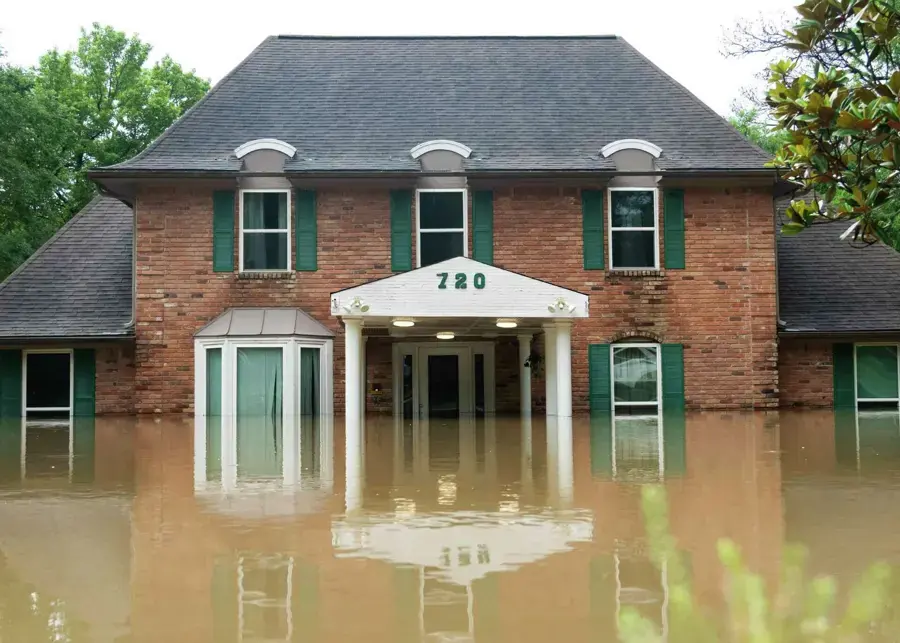
What to do first about flash flood and storm water cleanup in Weatherford
- Stay out until it is safe
Keep clear of moving water and anything touching live electrical.
- Shut power at the main
Only if the panel is dry and can be reached without wading.
- Photograph everything
Record water lines on walls and damaged contents before removal.
- Wear boots and gloves
Flood water carries sewage, fuel and debris.
What does flash flood and storm water cleanup cost in Weatherford, TX?
In Weatherford, TX, flash flood cleanup typically runs $3,000 to $15,000 or more, driven by the depth of the water, the square footage, how much drywall, insulation and flooring has to be removed and the sanitizing required for Category 3 water.
Garage or one room, shallow
- Extraction and debris removal
- Flood cut and sanitizing
Several rooms
- Carpet, pad and drywall removed
- Antimicrobial and drying
Whole floor, deep water
- Wide material removal
- Extended drying and cleaning
Ranges move with the water category, the square footage, the material class and how fast drying started. Run the numbers in the water damage cost calculator for a planning range.
How flash flood and storm water cleanup is handled in Weatherford
- 1
Map the moisture
The tech who does the walkthrough uses thermal imaging and pinless meters to map every wet wall, floor and cavity before any equipment goes down.
- 2
Extract the water
The extraction crew pulls standing water with truck-mounted extraction, so it leaves the building instead of moving into the next room.
- 3
Set the drying plan
Air movers go in at each room's evaporation load, with LGR dehumidifiers pulling the moisture back out of the air.
- 4
Verify dry
Most crews log readings daily and pull equipment only when the wet material sits within 2 to 4 points of a dry reference.
How flash flooding reaches Weatherford homes
Weatherford sits along the upper Clear Fork of the Trinity River, with Lake Weatherford just north of town and a web of creeks and draws running through the county. When a slow-moving spring storm drops heavy rain, those channels rise quickly, low-water crossings close and street drainage backs up. Homes near creeks, in low spots or with doors below the grade of the yard take on water.
The National Weather Service flood safety tips explains why moving water across a road is so dangerous, and the Ready.gov flood safety page covers what to do before and after a flood.
Why flood water is handled as Category 3
Rising water picks up sewage, fertilizer, fuel, animal waste and soil on its way into a house. Under the IICRC standard, that makes it Category 3 from the first minute. It changes the whole cleanup:
- Porous materials come out. Carpet, pad, drywall, insulation and particleboard touched by flood water are removed, not dried.
- Containment and HEPA air scrubbers keep dust and contamination out of unaffected rooms.
- Cleaning and treatment. Hard surfaces are cleaned, then treated with an EPA-registered antimicrobial at its labeled dwell time.
- Protective gear. The mitigation team works in gloves, boots, eye protection and respirators.
Mud left on floors and in wall cavities holds moisture and contamination. The crew removes it before the drying equipment goes in.
How flood cleanup runs
After the water drops, the extraction crew removes what is left with truck-mounted extraction and pumps. The tech who does the walkthrough marks the water line on each wall, and the crew makes a flood cut above it so the cavity can be cleaned and dried. Air movers and LGR dehumidifiers then run until the framing and slab reach the drying goal.
If sewer lines backed up into the house during the storm, the sewage backup cleanup process applies as well. Businesses on the I-20 corridor follow the commercial water damage process.
Flood coverage and the file
Standard homeowners policies usually exclude rising surface water, which falls under separate flood coverage instead. The FEMA flood insurance overview explains how that works. The file carries photos of the water line, a moisture map, a list of removed materials and daily drying logs. Coverage depends on your policy, so check with your own insurer.
How flash flood and storm water cleanup work is done in Weatherford
Rapid local response
Dispatch runs day and night, and the extraction crew rolls with pumps, air movers and meters matched to the size of the loss.
IICRC S500 drying standard
The tech who does the walkthrough maps moisture first, and equipment stays until the readings say dry, not until it looks dry.
Claim-ready documentation
Timestamped photos before demolition, a moisture map and daily drying logs go into the file an adjuster reviews.
Parker County water experts
Slab leaks on clay, spring hail, hard freezes and Clear Fork flooding are the losses local crews work every year.
Covering Weatherford and Parker County
The Weatherford restoration crew covers the courthouse square, Lake Weatherford and every neighborhood in ZIP codes 76085, 76086, 76087, 76088, plus Hudson Oaks, Willow Park, Aledo, Springtown and the rest of the county.
See every town and ZIP coveredRelated water damage services in Weatherford
Flash Flood and Storm Water Cleanup questions in Weatherford, TX
Is flood water always treated as contaminated?
Yes. Rising surface water carries sewage, soil and chemicals, so it is Category 3 from the start. Porous materials it touched are removed, not dried.
How high is the flood cut on the walls?
Usually a foot or two above the highest water line, so the crew can remove wet insulation, clean the cavity and dry the framing.
Can furniture and contents be saved?
Hard items like metal and sealed wood can often be cleaned. Upholstery, mattresses and particleboard furniture soaked by flood water usually cannot.
Is flash flood damage covered by homeowners insurance?
Rising surface water is usually excluded from standard homeowners policies and covered by separate flood insurance. Check with your own insurer about your policy.
What does flash flood cleanup cost in Weatherford?
Most jobs run $3,000 to $15,000 or more, depending on water depth, square footage and how much material has to be removed and sanitized.
How long does drying take after a flood?
After removal and cleaning, drying usually takes three to seven days. Slabs and framing that held water for a long time take longer.
Flash Flood and Storm Water Cleanup in Weatherford? Call now.
Water keeps moving into drywall, cabinets and subfloor until it is extracted. The Weatherford restoration crew handles the extraction and the drying goal from the first call.
(888) 527-9134Start the flash flood and storm water cleanup dry-out